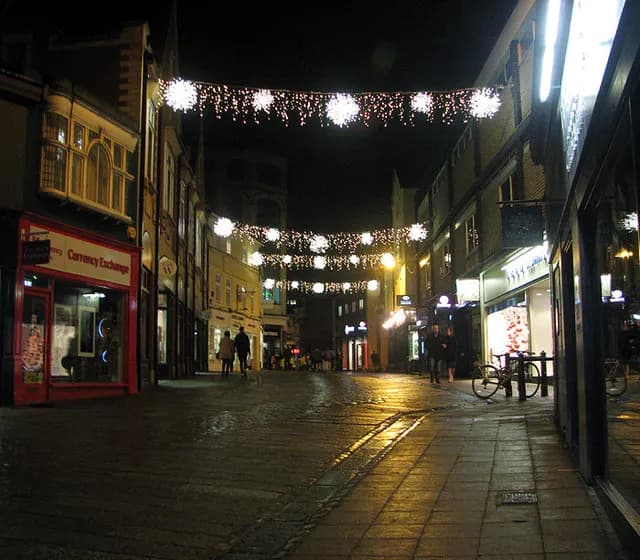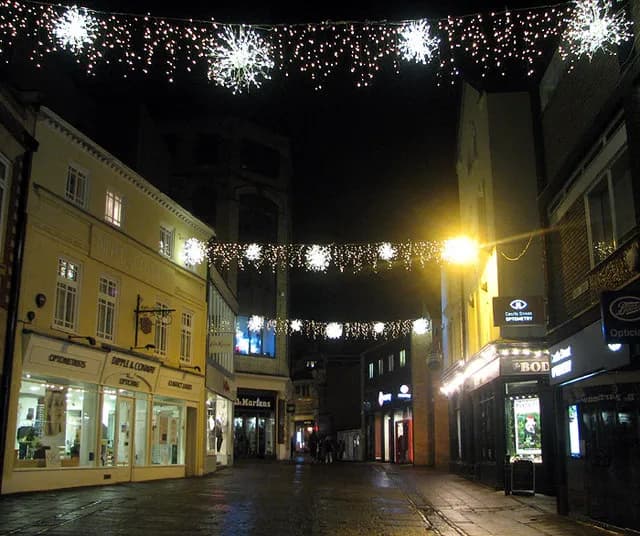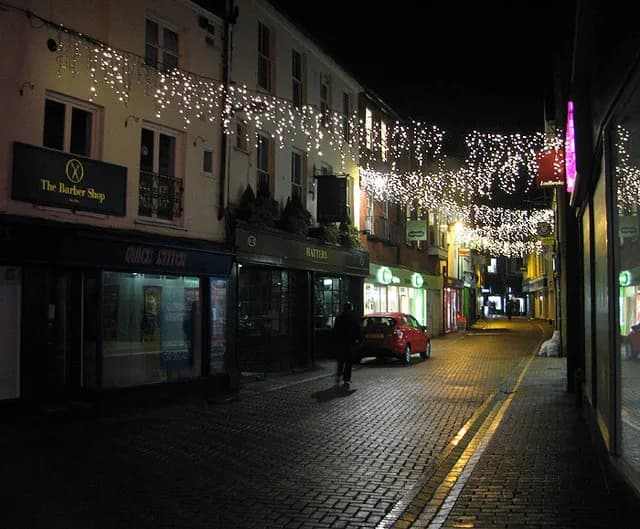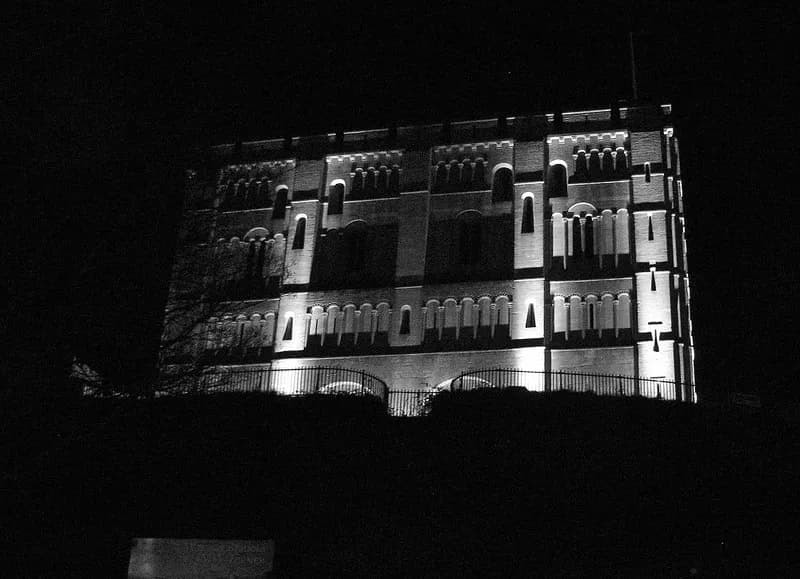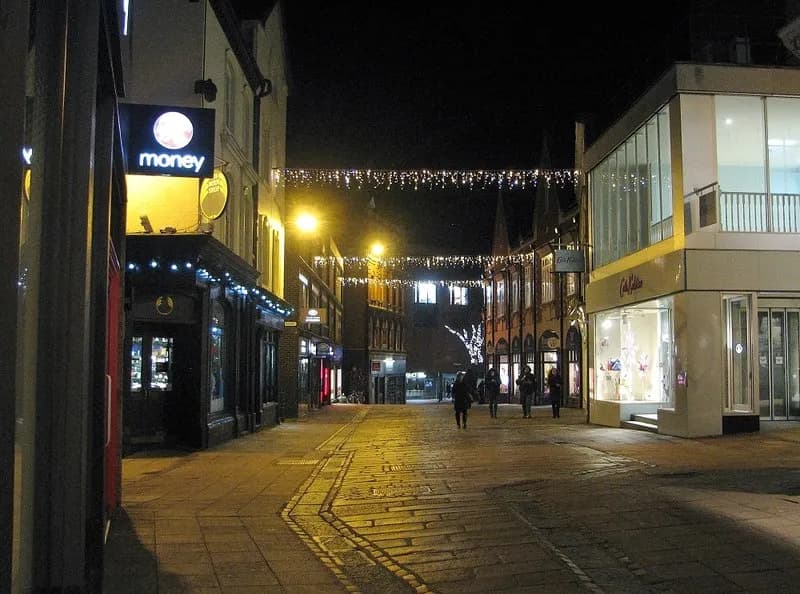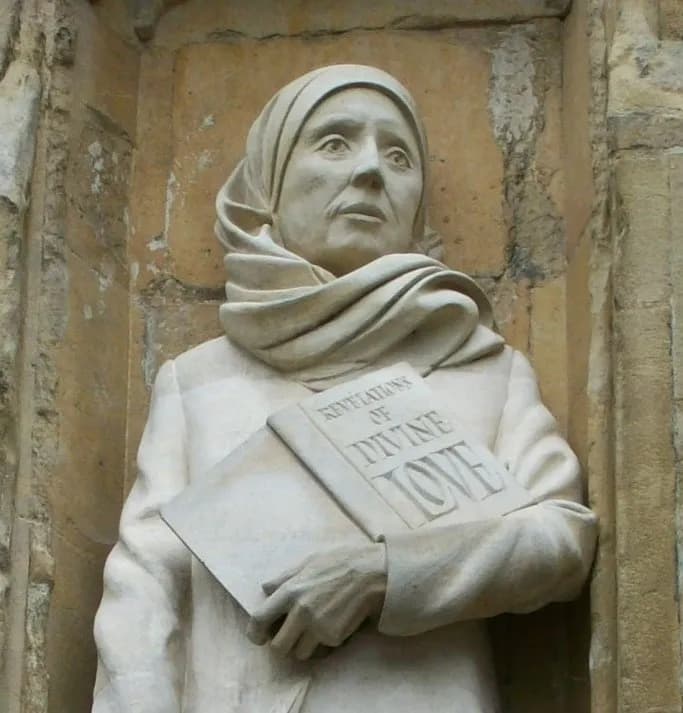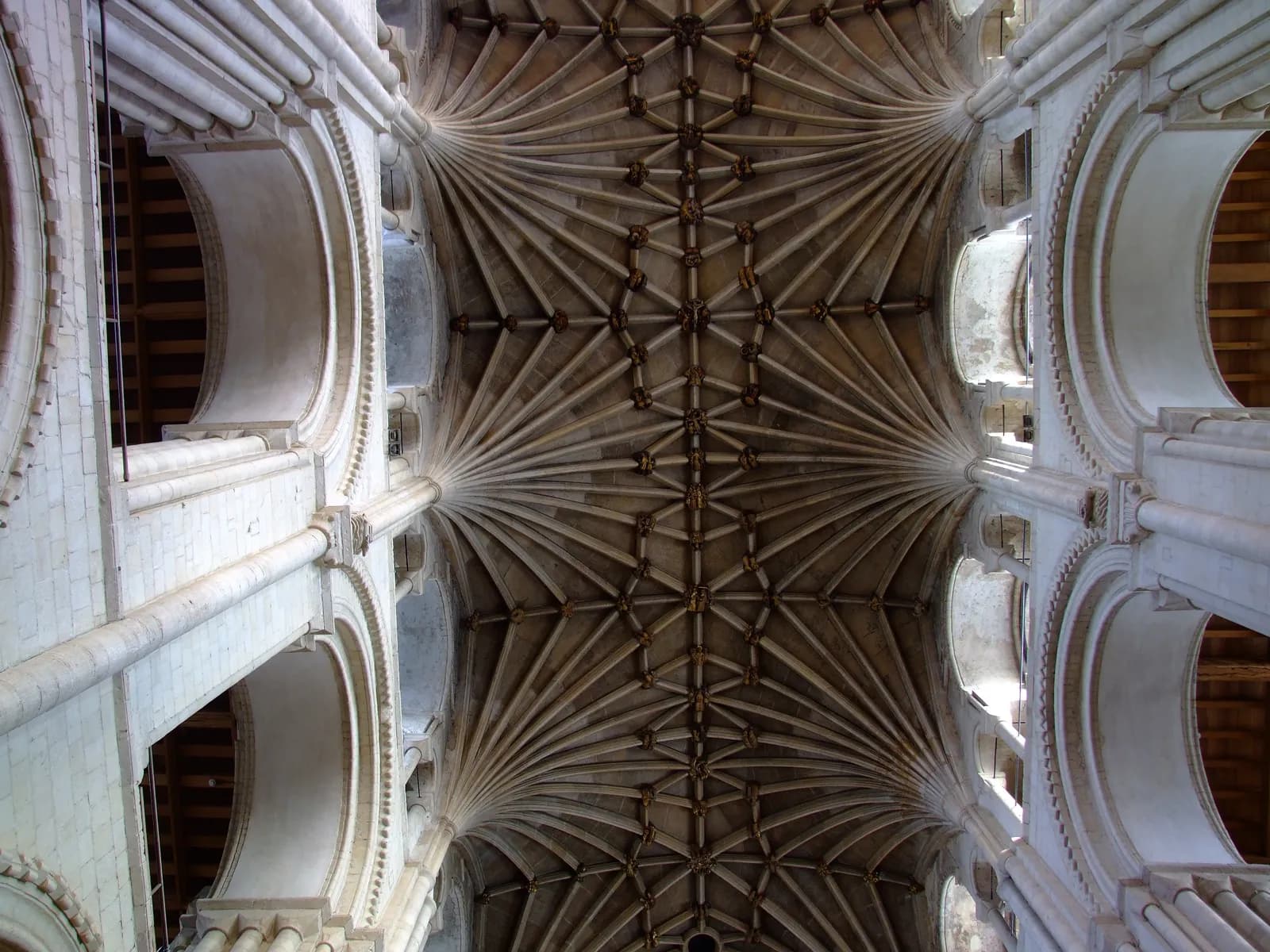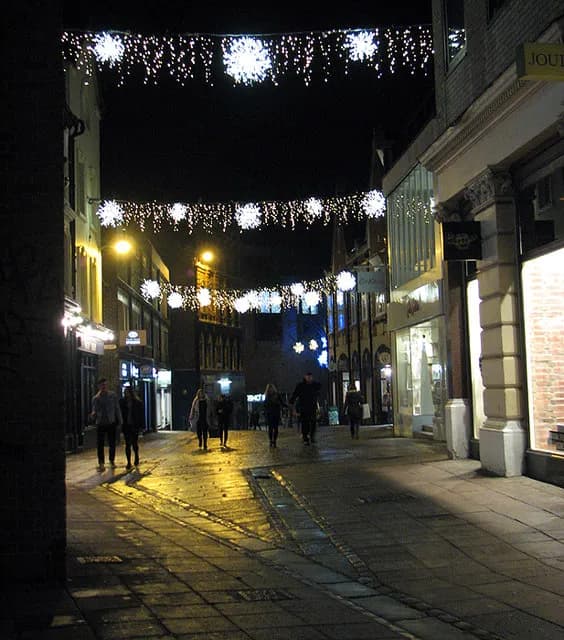
Walk through Norwich on a quiet evening and you may notice something unusual in the city air. Alongside the echo of centuries-old footsteps, stories are always being retold – of ghosts near the river, kings beneath the castle and eerie shapes on the edges of the old city walls. These aren’t just stories for tourists; they’re part of Norwich’s living heritage, tying everyday places to mysterious and sometimes mischievous legends still discussed in local pubs and classrooms.
The King beneath the Castle
Perhaps the best known local myth is the tale of King Gurgunt, Norwich’s semi-mythical founder. Some say he lies buried beneath the mound of Norwich Castle, waiting to rise again if Britain should face dire peril. It’s a story that appeals to our imagination, especially when standing atop Castle Hill, with the city laid out below, and thinking what secrets may sleep beneath our feet. The legend makes Norwich Castle more than just a Norman fortress; it’s a place where history and hope are said to slumber together.
Ghosts in Familiar Streets
Tombland, just steps from the cathedral, is the backdrop for the lingering tale of the Grey Lady, a ghost said to wander since the plague year of 1578. Some versions claim she mourns lost loved ones, others that she warns of misfortune ahead. Elm Hill, with its crooked timbers and cobbles, adds the tale of Father Ignatius, a monk who some say still walks its streets after dark. Visitors have described hearing footsteps or feeling a brush of chill air where his ghost is said to pass.
Further along the riverside, Cow Tower draws its own Christmas Eve legend: the headless horseman. Every year, some gather at dusk hoping to glimpse the spectral rider, said by locals to appear just as church bells toll midnight.
Reminders of War and Omen
Norwich Cathedral holds its own secrets, not least a cannonball quietly lodged among the stones, thought to be a remnant from the Parliamentarian siege in 1643. Children and adults alike peer up to spot it, a strange object that quietly fuels chatter about war, luck and the resilience of the old city.
And Norwich’s mythology flows outward, linking up with the broader tapestry of Norfolk legend. Stories of Black Shuck, the monstrous hound said to roam the countryside, and the mysterious Lantern Men of the Fens, weave together regional identity and local pride. These tales connect Norwich to its neighbours and suggest that just beneath the city’s calm surface, anything may be possible.
Living Stories for a Modern City
What perhaps makes Norwich’s folklore unique is how it continues to evolve. Local heritage and folklore groups actively collect and share these stories, making sure that even as the city changes, its tales are not forgotten. From guided walks to school projects, these myths encourage us to look sideways at the familiar and imagine other possibilities for our streets and landmarks.
For the people of Norwich, myth is more than memory. It’s a way of seeing the city afresh and passing something playful, cautionary and occasionally spooky from one generation to the next. That sense of curiosity – about the king beneath the castle, the woman in grey, and whatever else lurks just out of sight – remains part of Norwich’s distinct sense of place. Next time you’re wandering through the city after dark, you might just find yourself becoming part of the story too.